

My Art, Does It?
On Ma, Tsuchi, and the Sculptural Soul Carriers Hacking the Public Realm

My Art, Does It?
On Ma, Tsuchi, and the Sculptural Soul Carriers Hacking the Public Realm
“The clay is not a vessel for form; it is a vessel for presence. When placed in the open world, art stops asking to be looked at and starts asking to perform a quiet alchemy.”
The Question at the Core
Every artist eventually hits the wall and asks: Does my art do it?
Does it bridge the gap between the internal noise of the studio and the silent, distracted rhythm of the street? Does it cut through the static? Or does it merely sit there, decorative and politely ignored?
To answer what art does, I had to strip away the museum pedestal and return to the ground. My art philosophy lives at the intersection of five ancient and modern forces: Ma (the negative space), Tsuchi (the raw earth), Sashei (direct life-observation), Haniwa (sculptures as soul carriers), and Animal hackerz (subversive public art interventions).
Together, they form a ecosystem where sculpture isn’t a passive object—it’s a living signal in public space.
1. Tsuchi (土): The Flesh of the Earth
Before art is an idea, it is dirt.
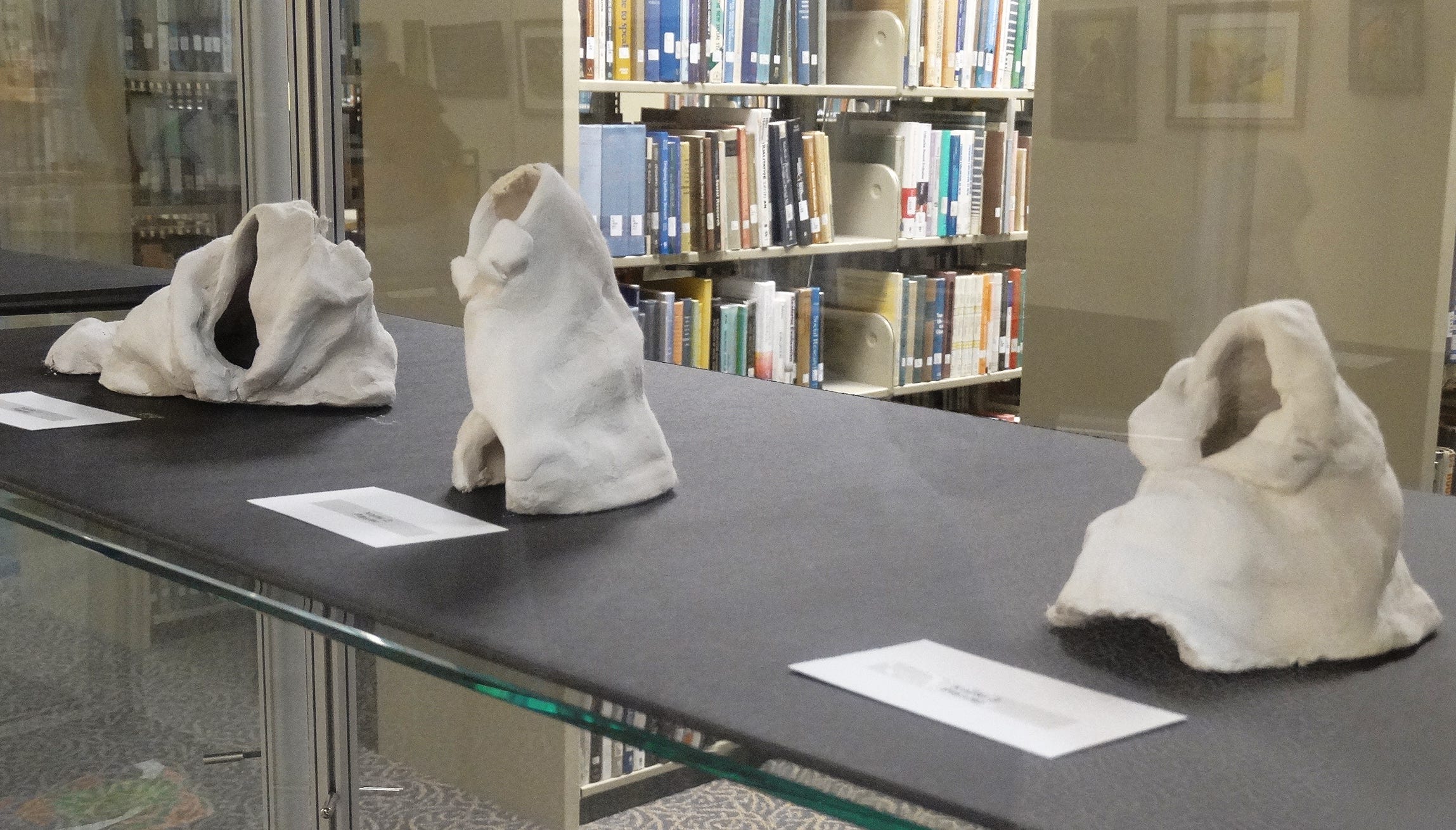
Tsuchi is the Japanese word for soil, clay, and the elemental earth beneath our feet. In a world obsessed with polished glass and digital pixels, working with tsuchi is an act of radical grounding. Clay retains the memory of the hands that pressed it, the moisture of the atmosphere, and the violence of the fire.
When I shape raw earth, I am engaging with tsuchi aji—the “earth flavor”. The clay doesn’t hide its origins; it reveals them. It reminds us that no matter how complex our cities become, we are still walking on fired dust.
[ Inner Consciousness ]
│
▼
┌────────────────┐
│ Tsuchi (Earth)│
└───────┬────────┘
│ (Formed by Sashei)
▼
┌────────────────┐
│ Haniwa Vessel │
└───────┬────────┘
│ (Activated by Ma)
▼
┌────────────────┐
│ Public Domain │
└────────────────┘
2. Haniwa: Sculptures as Soul Carriers
During Japan’s Kofun period, terracotta figures called Haniwa were placed atop keyhole burial mounds. Unlike European grave goods buried deep underground, Haniwa stood outside, fully exposed to rain, wind, and human gaze.
They were not mere decorations; they were soul carriers (yorishiro). They provided a physical anchor for spirits, guarding the boundary between life, death, and the surrounding environment.
┌─────────────────────────────────────────────────────────────┐
│ Haniwa as Soul Carriers │
├──────────────────────────────┬──────────────────────────────┤
│ Classical Antiquity │ Contemporary Public Art │
├──────────────────────────────┼──────────────────────────────┤
│ Guarded sacred tomb mounds │ Reclaims sterile urban zones │
│ Held ancestral spirits │ Encapsulates shared memory │
│ Weathered naturally outdoors │ Intercepts daily foot traffic│
└──────────────────────────────┴──────────────────────────────┘
When I create public sculptures, I treat them as modern Haniwa. They are hollow clay forms planted in concrete landscapes, designed to hold collective memory, human intent, and spiritual weight in open daylight.
3. Sashei (写生) & Animal Hackerz: Re-Wilding the Grid
If tsuchi is the material and Haniwa is the function, Sashei (observing and sketching directly from life) is the engine. Sashei is not about copying nature like a camera; it is about capturing the kinetic pulse—the life force—of living beings.
This brings us to Animal Hackerz: public art interventions that act as feral instincts injected into structured city grids.


Cities are designed to regulate human behavior—walk here, stop there, look at this advertisement. Animal Hackerz breaks that programming. By deploying zoomorphic, spirit-vessel sculptures into public plazas, transit hubs, and neglected alleyways, we “hack” the public sphere. We reintroduce animalistic presence, wild geometry, and unexpected tactile encounters into environments designed for sterile efficiency.


4. Ma (間): The Breathing Room
A sculpture does not end where its clay surface stops. The most important material in my work is invisible: Ma (間), the spatial and temporal pause.
Ma is not empty space; it is space pregnant with potential. It is the distance between the sculpture and the pedestrian. It is the silence between footsteps.
Without Ma, public art becomes visual clutter. By respecting negative space, a sculpture gives passersby room to slow down, breathe, and complete the artwork with their own reflection. The sculpture creates a pause in the rhythm of the city—a micro-sanctuary.
So... Does It?
Does my art do it?
If “doing it” means fitting neatly into a gallery wall or making a quiet statement behind velvet ropes, then no.
But if it means taking earth (tsuchi), breathing real life into it (sashei), carving out a pause (ma), and placing a soul carrier (haniwa) into the wild public realm to hack human perception (animal hackerz )—then yes.
My art does it. It activates the street. It holds the soul. It makes the concrete breathe.
What public space in your daily life feels like it needs a soul carrier to wake it up? Drop your thoughts in the comments below.